As February brings peak summer temperatures to Greater Western Sydney, staying heat-smart is essential for every Liverpool resident. With the mercury set to climb towards the high thirties this week, the risk of heat exhaustion and dehydration becomes a serious concern for families, athletes, and the elderly alike. Understanding how to protect your body during these extreme conditions is the best way to enjoy the summer safely while avoiding a heat-related health crisis that can escalate quickly if left unmanaged.
At Liverpool Plaza Discount Chemist, we are here to help you navigate the summer swelter with professional advice and high-quality rehydration solutions. From monitoring your blood pressure during heatwaves to recommending the best electrolyte replacements, our team is dedicated to keeping the Liverpool community cool, hydrated, and healthy throughout 2026.
Recognizing the Signs of Heat Exhaustion
Recognizing the early warning signs of heat-related illness is your first line of defense when temperatures soar in Liverpool. Heat exhaustion happens when your body overheats and cannot cool itself down effectively, often due to a combination of high ambient temperatures, high humidity, and physical exertion. You might notice symptoms like heavy sweating, a rapid but weak pulse, dizziness, fatigue, or painful muscle cramps. It is common for the skin to feel cool and clammy to the touch even in the heat, and you may experience a persistent headache, irritability, or nausea. Because Liverpool often experiences a “heat island” effect where urban surfaces and pavements trap intense warmth, these symptoms can appear rapidly even if you aren’t participating in strenuous outdoor activities. Staying alert to subtle changes in how you and your family members are feeling during the hottest parts of the day is critical for early intervention and preventing a more serious medical emergency.

If you or someone else starts to feel unwell, the most important step is to move to a cooler environment immediately. This could be a shaded park or one of Liverpool’s air-conditioned public spaces like the library or shopping center. Loosening tight clothing and applying cool, damp cloths to the skin can help lower the core body temperature quickly. If symptoms include confusion, a temperature above 40°C, or a loss of consciousness, this is a medical emergency known as heatstroke, and you must call Triple Zero (000) immediately. By acting at the first sign of fatigue or dizziness, you can prevent the condition from progressing into a life-threatening situation. Our pharmacy team is always available to discuss these symptoms if you are unsure about your risk levels during the summer months.
Tip: Monitor your urine color; pale yellow indicates good hydration, while dark orange or brown is a clear sign you need more fluids immediately.
The Science of Effective Hydration
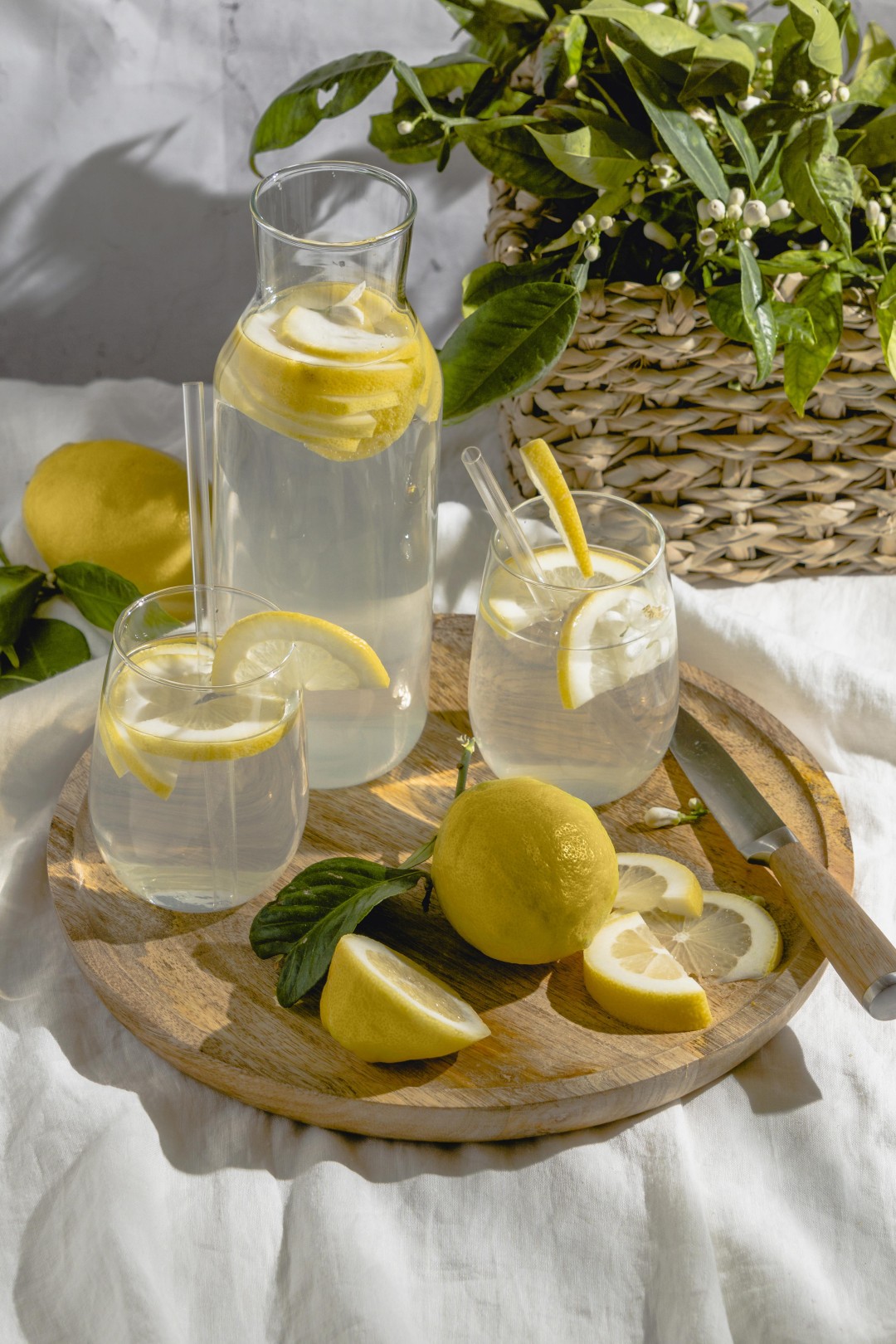
Staying hydrated in the heat involves more than just drinking plain water. When you sweat excessively, your body loses vital electrolytes like sodium, potassium, and magnesium, which are essential for nerve and muscle function. If you only replenish with water, you risk a salt imbalance that can lead to further cramping and weakness. Utilizing oral rehydration solutions or electrolyte-rich drinks helps maintain your body’s fluid balance more effectively than water alone, especially if you are working outdoors or exercising.
Drink Regularly: Don’t wait until you feel thirsty to start drinking fluids.
Avoid Diuretics: Limit caffeine and alcohol, as these can increase fluid loss.
Electrolyte Boost: Use effervescent tablets or powders for rapid rehydration.
Pre-Hydrate: Drink at least 500ml of water before heading out into the heat.
Protecting the Most Vulnerable
Certain groups in our community are at a much higher risk of dehydration and heat stress. Older adults may have a reduced sense of thirst or underlying medical conditions like heart or kidney disease that make it harder for their bodies to regulate temperature. Similarly, infants and young children have smaller body masses and higher metabolic rates, meaning they lose fluids faster than adults. During a Liverpool heatwave, it is vital to check on elderly neighbors and ensure children are taking regular breaks in the shade. Never leave anyone, including pets, in a parked car, as temperatures inside can reach lethal levels in just a few minutes, even with the windows slightly cracked.
For those with chronic illnesses, some medications can actually interfere with the body’s ability to stay cool or may increase sensitivity to sunlight. This is particularly true for certain blood pressure medications, diuretics, and some mental health treatments. If you are taking regular prescriptions, it is worth having a quick chat with our pharmacists to see if your medication affects your heat tolerance. We can provide tailored advice on how to manage your doses safely when the weather is extreme. Taking these extra precautions ensures that the most vulnerable members of your family stay safe while the sun is at its strongest.
Note: Babies under six months should be offered extra breastfeeds or formula, while older children can have small amounts of cooled, boiled water between meals.
Cooling Your Home and Body
Keeping your living space cool is just as important as keeping your body hydrated. In Liverpool, closing north and west-facing blinds during the day can significantly reduce the amount of heat that enters your home. If you don’t have air conditioning, using a fan in front of a bowl of ice can create a localized evaporative cooling effect. Taking tepid showers or soaking your feet in cool water are also highly effective ways to bring down your body temperature before you start feeling the effects of heat stress.
When you do have to go outside, timing is everything. Plan your errands for the early morning or late evening when the UV index is lower and the air is cooler. Wear lightweight, loose-fitting clothing made of natural fibers like cotton or linen, which allow your skin to breathe and sweat to evaporate. If you feel yourself getting too hot while out in public, don’t hesitate to step into an air-conditioned shop or library for ten to fifteen minutes to reset your internal thermostat.
Heart Health and Heat Stress
The link between extreme heat and cardiovascular health is often overlooked. When the body tries to cool down, the heart has to work much harder to pump blood to the skin’s surface for cooling. This extra strain can be dangerous for those with pre-existing heart conditions. February is also REDFEB, making it the perfect time to remember that protecting your heart includes staying cool. High temperatures can cause blood pressure to fluctuate, which is why we recommend regular blood pressure monitoring during the summer months.
If you find that you are feeling unusually breathless or experiencing chest discomfort during hot weather, it is a sign that your heart is under significant stress. Avoiding heavy meals and staying in the shade can reduce the workload on your cardiovascular system. Our pharmacy provides heart health assessments that can help you understand your risks and how to manage them during the peak of summer. Staying proactive about your heart health ensures you remain resilient even when the Sydney sun is at its most intense.
Final Thoughts
Taking a proactive approach to heat safety is the best way to protect your family from the dangers of the Sydney summer. By staying hydrated with the right mix of fluids and electrolytes, and knowing exactly how to spot the early signs of heat exhaustion, you can prevent minor discomfort from turning into a medical emergency. Our Liverpool community is a vibrant place to be in the summer, and with a few simple precautions, we can all enjoy the season safely. We are proud to offer the professional guidance and products you need to keep your cool when the temperatures rise.
If you or a family member are struggling with the heat or need advice on the best rehydration products for your needs, visit our pharmacy or call us at (02) 8104 1222. Our pharmacists are here to answer your questions and help you stay safe throughout the hottest months of the year.