Keeping medicines safe at home is an important part of maintaining your family’s health. From prescription tablets to over-the-counter pain relief, how you store and handle your medications can make a big difference in their effectiveness and safety. Many people overlook proper storage conditions, forget about expiry dates, or keep unused medicines for future use, not realising these habits can lead to health risks. Practising medication safety ensures that every dose you take remains effective and that unused or expired drugs do not pose harm to your family or the environment.
At Liverpool Plaza Discount Chemist, we value your safety and aim to help you use medicines confidently and correctly. Our pharmacists can guide you on how to store your prescriptions, identify expired medications, and handle refills responsibly. With professional advice, you can create a safer home environment and make sure that every medication in your household is used the right way.
Proper Medication Storage at Home
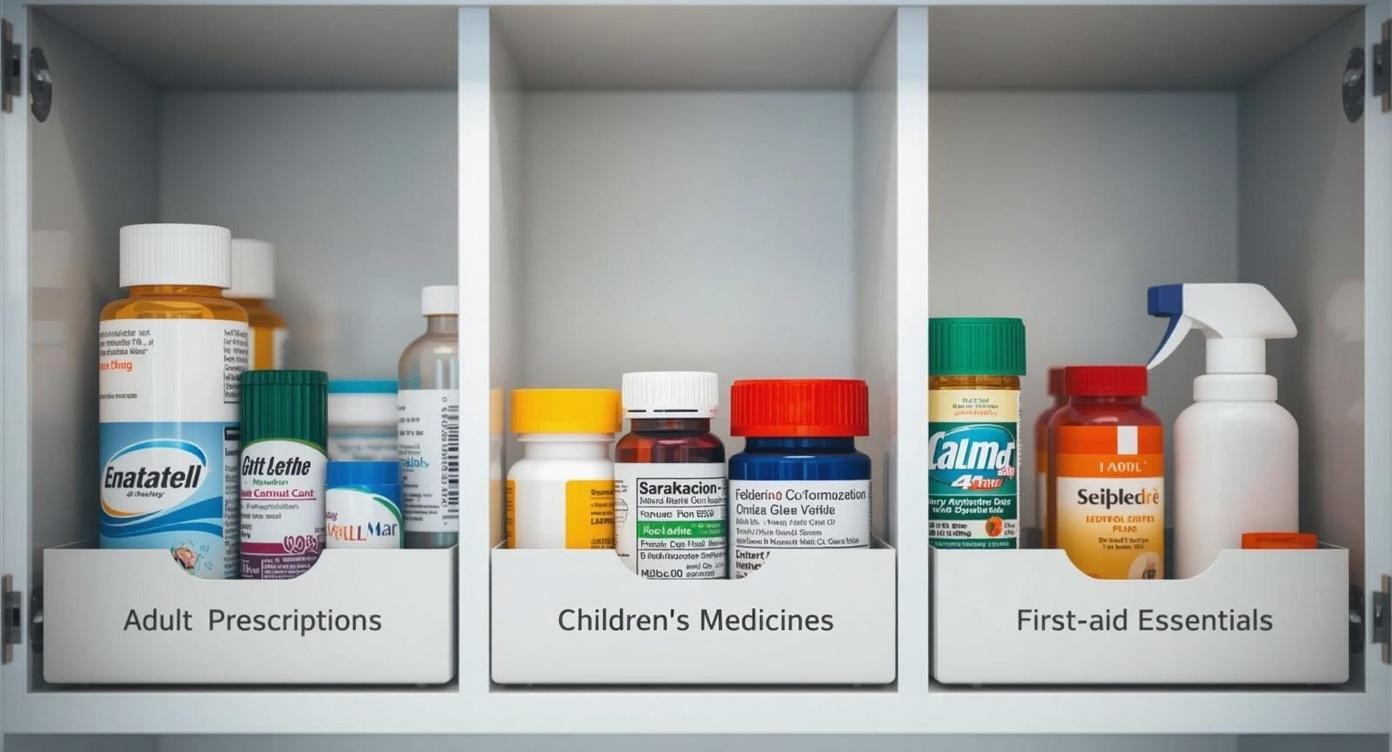
The first step in medication safety is proper storage. Many medicines can lose their effectiveness if exposed to heat, moisture, or direct sunlight. Always keep your medications in a cool, dry place away from windows, bathrooms, or kitchens where humidity and temperature changes can occur. Storing medicines in their original containers with intact labels also ensures you can easily check dosage instructions and expiry dates.
For households with children or pets, it’s essential to store medicines out of reach and out of sight. A locked cabinet or high shelf can prevent accidental ingestion, which is one of the most common causes of poisoning in young children. Remember, even vitamins and over-the-counter drugs can be dangerous if taken incorrectly.
Checking Expiry Dates and Quality
Expired medications may not work as intended and, in some cases, could cause harmful effects. It’s a good habit to review your medicine cabinet every few months and check expiry dates on each product. Dispose of any medicine that looks discoloured, smells different, or has a change in texture, even if it’s not past its expiry date.
Pharmacists recommend using a checklist to track medication use and refills. You can also ask your pharmacy for reminders or packaging that indicates when your next refill is due. Keeping medicines organised reduces confusion and ensures that you don’t accidentally take expired or incorrect doses.
Safe Disposal of Unused or Expired Medicines
Improperly disposing of medicines can harm both people and the environment. Flushing medicines down the toilet or throwing them in household bins can lead to contamination of water systems and may expose others to unwanted substances. Instead, the safest method is to return unused or expired medications to your local pharmacy for proper disposal.
Most pharmacies, including Liverpool Plaza Discount Chemist, participate in safe disposal programs where returned medicines are destroyed following environmental and health standards. This service is free, convenient, and ensures that your unwanted medications are handled responsibly.
Organising Medicines for Daily Use
For those taking multiple medications, organising doses is key to preventing mistakes. Dose Administration Aids (DAAs), such as pill organisers or blister packs, can simplify your routine by separating medications into daily or time-specific sections. These tools help you stay consistent with your treatment plan and reduce the chance of missed or double doses.
Pharmacists can assist in setting up these aids based on your prescriptions. For elderly family members or those managing chronic conditions, using a DAA can make medication management easier and safer. This small step helps promote independence and confidence in following prescribed treatments.
Medication Refills and Pharmacy Support
Running out of medication can interrupt your treatment and affect your recovery or condition management. To avoid missed doses, keep track of your refill schedule and request refills in advance. Many pharmacies offer automatic refill reminders or prescription management services that make the process easier.
Your pharmacist can also review your medications regularly to check for potential interactions, side effects, or new alternatives that might better suit your needs. Building a relationship with your local pharmacy ensures that your medication plan stays up to date, safe, and effective.
Educating the Family on Medication Safety
Medication safety is a family responsibility. Teaching children about the importance of not touching or sharing medicines helps prevent accidental ingestion or misuse. Adults should also communicate with elderly family members who may need reminders or assistance in taking their prescriptions correctly.
Creating a simple household medication guide that lists each family member’s prescriptions, dosages, and refill dates can make emergencies easier to handle. If a medication mix-up or reaction occurs, having this information on hand helps healthcare providers respond quickly and accurately.
Final Thoughts
Practising medication safety at home protects your family’s wellbeing and ensures that every treatment you take is effective and properly managed. By storing medicines correctly, checking expiry dates regularly, organising daily doses, and returning unused medicines for safe disposal, you can prevent accidents and make healthcare management easier. Having a trusted pharmacist to guide you adds an extra layer of safety and reassurance that your family’s medication needs are in good hands.
At Liverpool Plaza Discount Chemist, our pharmacists are ready to assist you with all aspects of medication safety, from proper storage to safe disposal and timely refills. Visit us today for personalised advice, professional support, and convenient services that help you manage your health confidently and responsibly.